


16 Feb Framing Trends for 2026: How Designers and Creatives Are Shaping Modern Interiors
As we move into 2026, custom picture framing has evolved from a purely protective function into a powerful interior design tool. Today, frames influence mood, and help artwork feel intentional within a space. Whether you’re refreshing a single room or rethinking an entire wall, understanding current framing trends lets you design with confidence.
Below are 7 design trends for 2026:
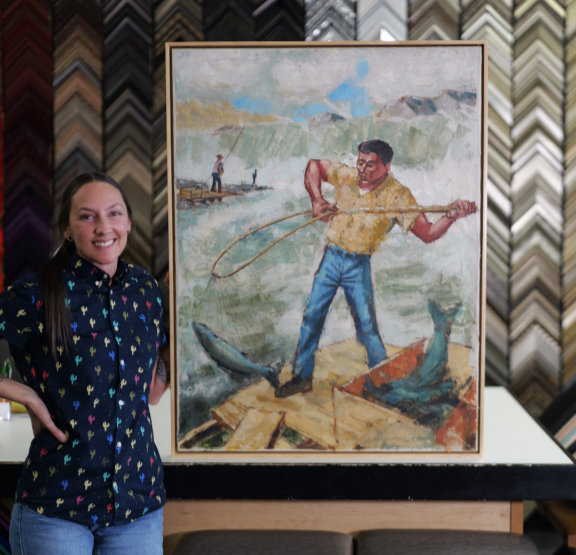
1. Floater Frames: Depth, Dimension & Gallery Style
Floater (or floating) frames remain strong in 2026 — and for good reason. Rather than sitting flush against the edge of a canvas or paper, art floats inside the frame, creating subtle dimensionality that turns every piece into a visual centerpiece.
Why floater frames are trending:
- Adds perceived space and presence to artwork
- Works with both canvas and mounted art
- Gives a clean, contemporary gallery vibe
This look pairs beautifully with minimalist interiors and high-ceilinged lofts, a style seen frequently in Seattle residences.
2. Mixed Material Frames: Texture Meets Contrast
Blending materials like wood, metal, and stone finishes brings tactile depth to framed pieces. This trend mirrors wider interior design movements that combine textures to enrich modern spaces.
Popular pairings:
- Warm wood with matte black metal
- Brushed brass with natural linen mat
- Concrete-tone accents for industrial interiors
These hybrid frames especially complement:
- Scandinavian-inspired interiors
- Urban industrial lofts
- Eclectic boho and transitional homes
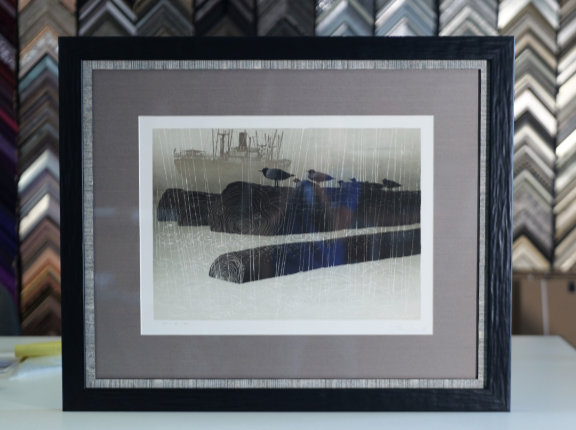
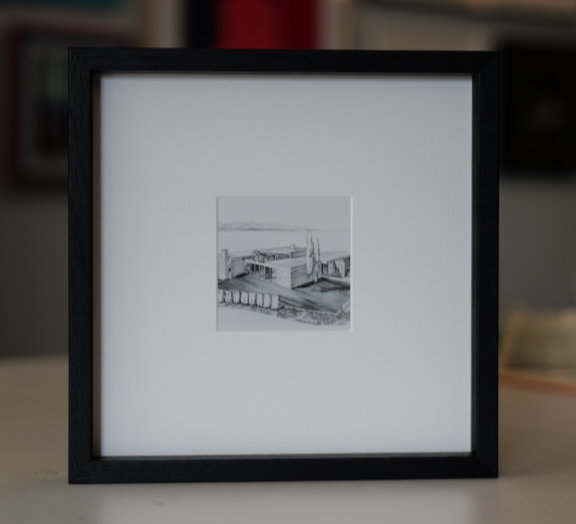
3. Wide Mats: Art with Breathing Room
Generous matting is huge this year.
Why wider mats are trending:
- Enhances focus on minimal or delicate artwork
- Emphasizes negative space (a key design element)
- Adds sophistication without overt style
This approach pairs well with:
- Gallery walls with consistent visual breathing space
- Fine art photography and monoprints
- Spaces emphasizing zen, calm, or minimalist design
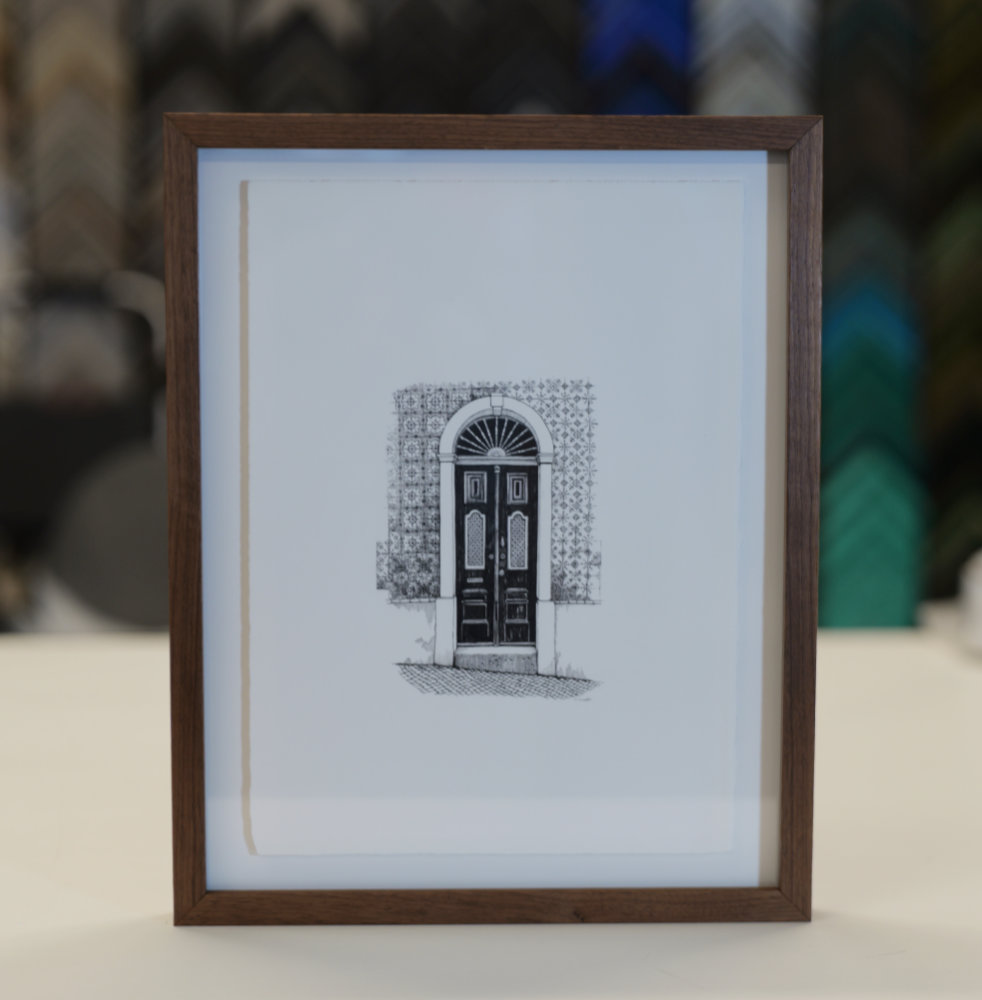
4. Natural Wood-Toned Picture Frames
Natural wood frames bring warmth and authenticity into a space. Their appeal lies in subtlety- they ground artwork without overpowering it. Oak, walnut, maple, and ash tones align beautifully with modern organic interiors, Scandinavian styling, and biophilic design. These frames work especially well when you want art to feel integrated into the architecture rather than layered on top of it.
Styling tips
- Pair with neutral walls to let wood grain become a soft accent
- Mix light and mid-tone woods for depth
- Repeat wood tones elsewhere (shelving, furniture) for cohesion
- Add generous matting to emphasize calm, airy presentation
Think of wood frames as visual breathing room — they create warmth without clutter.
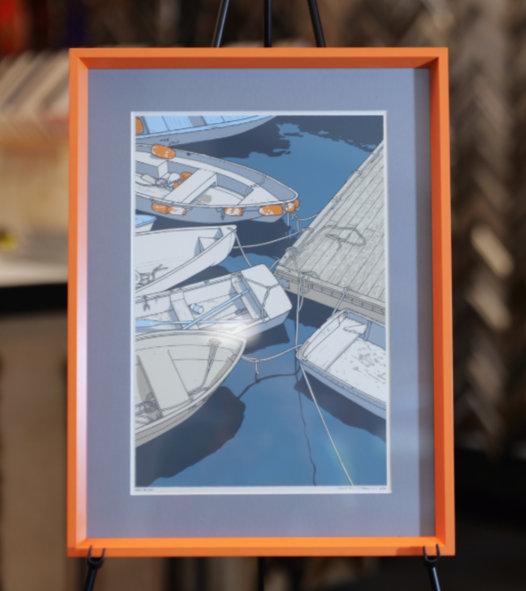
5. Bold Color Frames
Bold frames shift framing from background support to foreground design. Saturated colors inject personality and energy, making the frame part of the artwork’s story. This trend thrives in creative homes, studios, kids’ spaces, or anywhere personality matters.
A colored frame can echo accent pillows, painted doors, or statement furniture, creating intentional repetition.
Styling tips
- Choose one dominant color per wall for visual unity
- Match frame color to a subtle tone inside the artwork
- Use bold frames sparingly as focal punctuation
- Balance with neutral surroundings
Color framing works best when it feels curated, not random — intentional contrast is key.
6. Oversized Single Statement Pieces
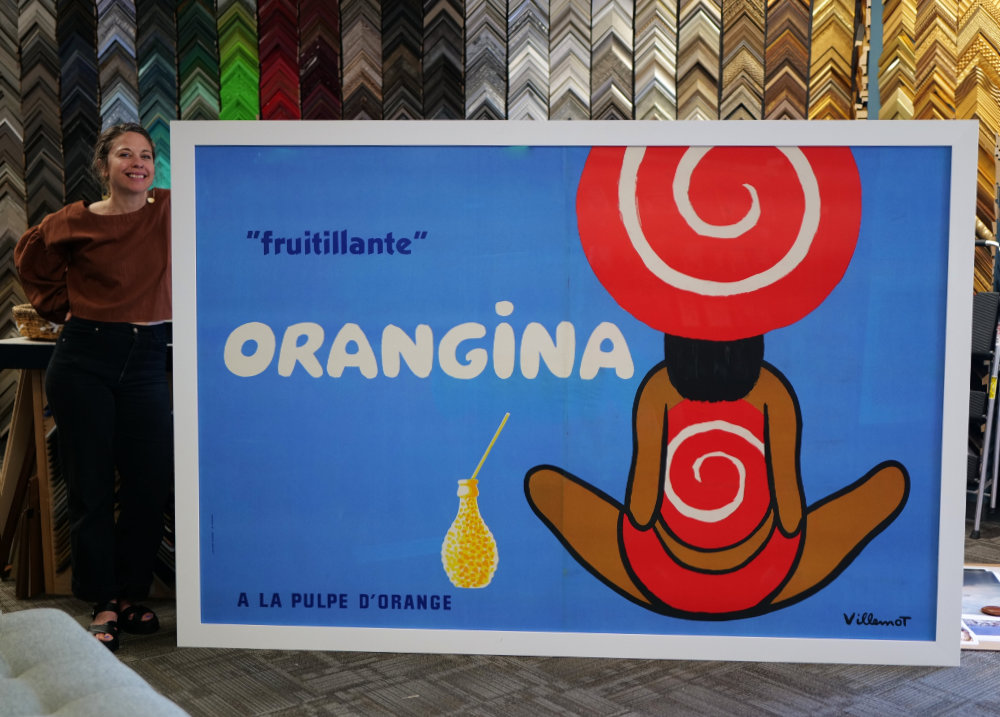
Oversized framed artwork acts like an architectural feature. Rather than filling walls with multiple pieces, designers are leaning toward singular, impactful visuals that anchor a room. This approach reduces visual noise while maximizing emotional presence.
Styling tips
- Use wide mats to enhance scale and sophistication
- Center above key furniture for balance
- Keep surrounding décor minimal
- Choose art with strong composition or negative space
A statement piece should feel intentional and grounded — think focal point, not filler.
7. Coordinated Collage Walls
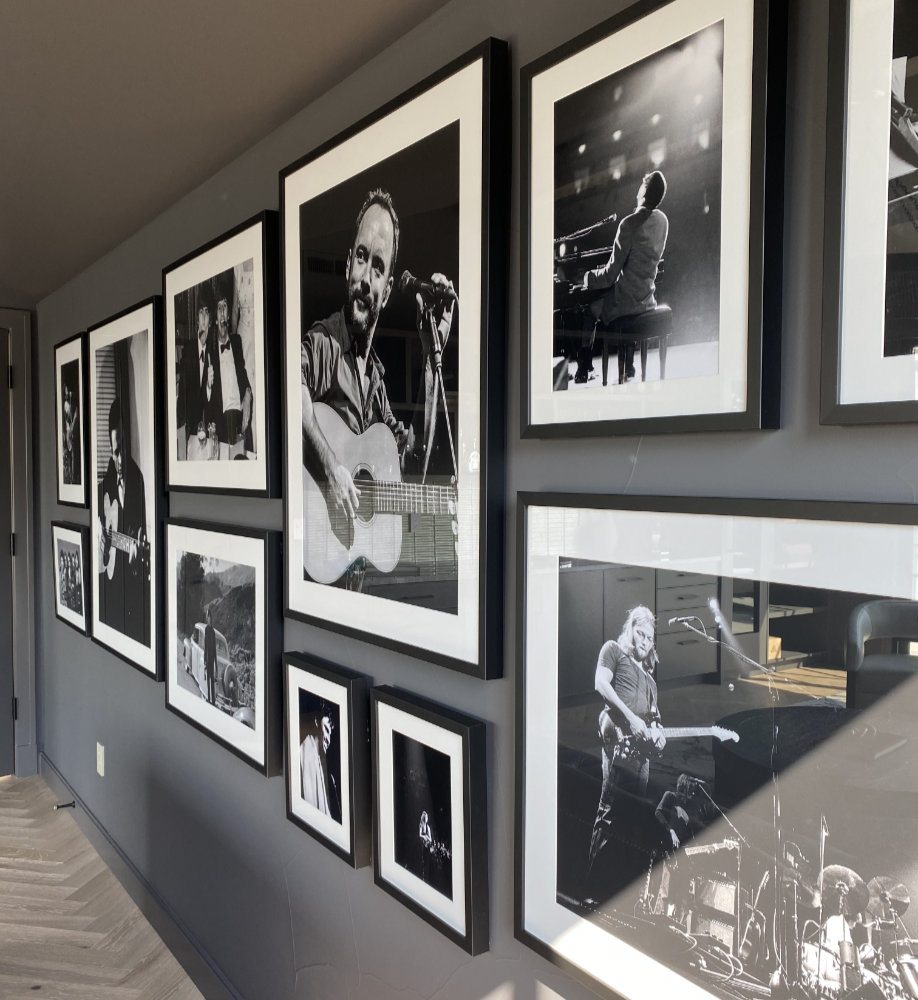
Collage walls are always popular — but today’s approach favors cohesion. Designing such an arrangement can be an excellent solution to filling large wall space, when you have mostly smaller pieces. Matching or complementary frames create structure, allowing diverse artwork to read as a curated installation instead of visual chaos. Consistency builds rhythm while letting each piece maintain individuality.
Styling tips
- Choose one frame finish for unity
- Maintain consistent spacing between pieces
- Align edges for clean geometry
- Mix art sizes while preserving visual balance
A coordinated collage wall should feel like a designed composition.
Bringing It All Together
Modern framing trends reflect a larger shift in interior design: intentionality. Frames influence atmosphere, storytelling, and how artwork lives within a space.
You might combine trends: wood frames in a gallery wall, a mixed-material accent piece, or a bold statement frame — as long as the overall palette feels deliberate.
When styling framed art, remember:
- Repetition builds harmony
- Contrast adds energy
- Negative space provides balance
- Materials influence mood
Framing is no longer just a finishing touch. It’s a design language that shapes how art interacts with your environment.
FAQ
Q. What’s the difference between a floating frame and a standard frame?
A. A floating frame suspends the artwork within the frame, showing the edges of a canvas or print and creating depth. Standard frames sit flush against the artwork edge.
Q. Are wide mats just for large spaces?
A. Not at all. Wide mats help draw the eye and give small works visual weight, making them ideal in intimate spaces too.
Q. How do I choose frame materials that match my décor?
A. Consider your space’s palette and materials. Warm woods pair with Scandinavian and cozy interiors; black or metal with modern or industrial styles; mixed materials add dynamic contrast. At Apex Art Lab, we can help you with all these decisions.
Q. Can framed art adapt to evolving interior trends?
A. Absolutely. Wood and neutral frame finishes allow you to refresh layouts and rotate art for seasonal or stylistic changes.